Virginia's Comprehensive Strategy to Improve Third Grade Reading
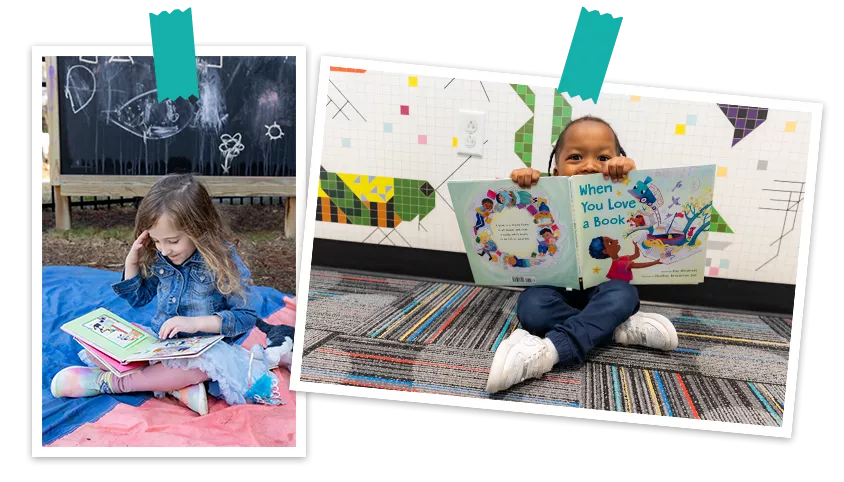
Recent Harvard research tells us that the brain is wired to read as early as 18 months of age. The number of quality books in the home are linked to stronger literacy and maternal health outcomes. Dolly Parton’s Imagination Library(DPIL) is backed by science and provides books to children birth to age five, regardless of a family’s income, to inspire a love of reading. Other states with a statewide program have seen a 29% increase in literacy and kindergarten readiness and reading at home. The first eight years are a critical time in literacy and language development.
The Virginia Literacy Act (VLA) passed the legislature in 2022 with strong bipartisan support and was championed by Senator Louise Lucas. It is one of the most comprehensive literacy policies in the nation. The implementation of VLA began in 2024–2025 with a $21 million investment. The VLA ensures teachers are using evidence-based curricula from the approved list, builds teacher and division level capacity on how to teach reading effectively, develops reading plans for students with reading difficulties, provides reading specialists, deploys coaches and equips families with resources. The policy is working. Now, we must ensure strong implementation.
43% of Virginia’s third graders cannot read proficiently, with even higher rates in some communities. Virginia is behind Alabama, Indiana, Louisiana, Mississippi, South Carolina and Tennessee when it comes to implementing the policy and helping more children read by third grade. These states took the long view using data and science to drive investments year after year.
Only 31% of Virginia's fourth graders were at or above proficient in reading (NAEP,2024).
The Three Pillars of Virginia’s Comprehensive Strategy are:
- Expand Dolly Parton’s Imagination Library (DPIL) to increase equitable access to quality books, improve maternal health outcomes, increase kindergarten literacy readiness and third grade reading.
- Utilize the Virginia Language and Literacy Screener System (VALLSS)data in preschool through eighth grade to drive instruction, professional development and coaching in classrooms.
- Implement and invest in the Virginia Literacy Act (VLA) to build the capacity of teachers, coaches and schools to teach reading effectively.
The investment in the three pillars will improve literacy skills, kindergarten readiness and reading outcomes in kindergarten through third grade.
Kids Thrive with The Big Five
The Five Components of Early Literacy and Reading
01.Phonemic Awareness
02.Phonics
03.Fluency
04.Vocabulary
05.Comprehension